

Kerkini Lake National Park, History, part 3

The multiple role of the wetland
The wetland has a multitude of values, functions and uses, some of which are:
- Flood control: it retains the waters of the Strymon River and prevents the risk of flooding in the Serres plain.
- Irrigation: it provides water for irrigation in a large part of the prefecture of Serres
- Fishing: it is one of the richest lakes in fish in the country.
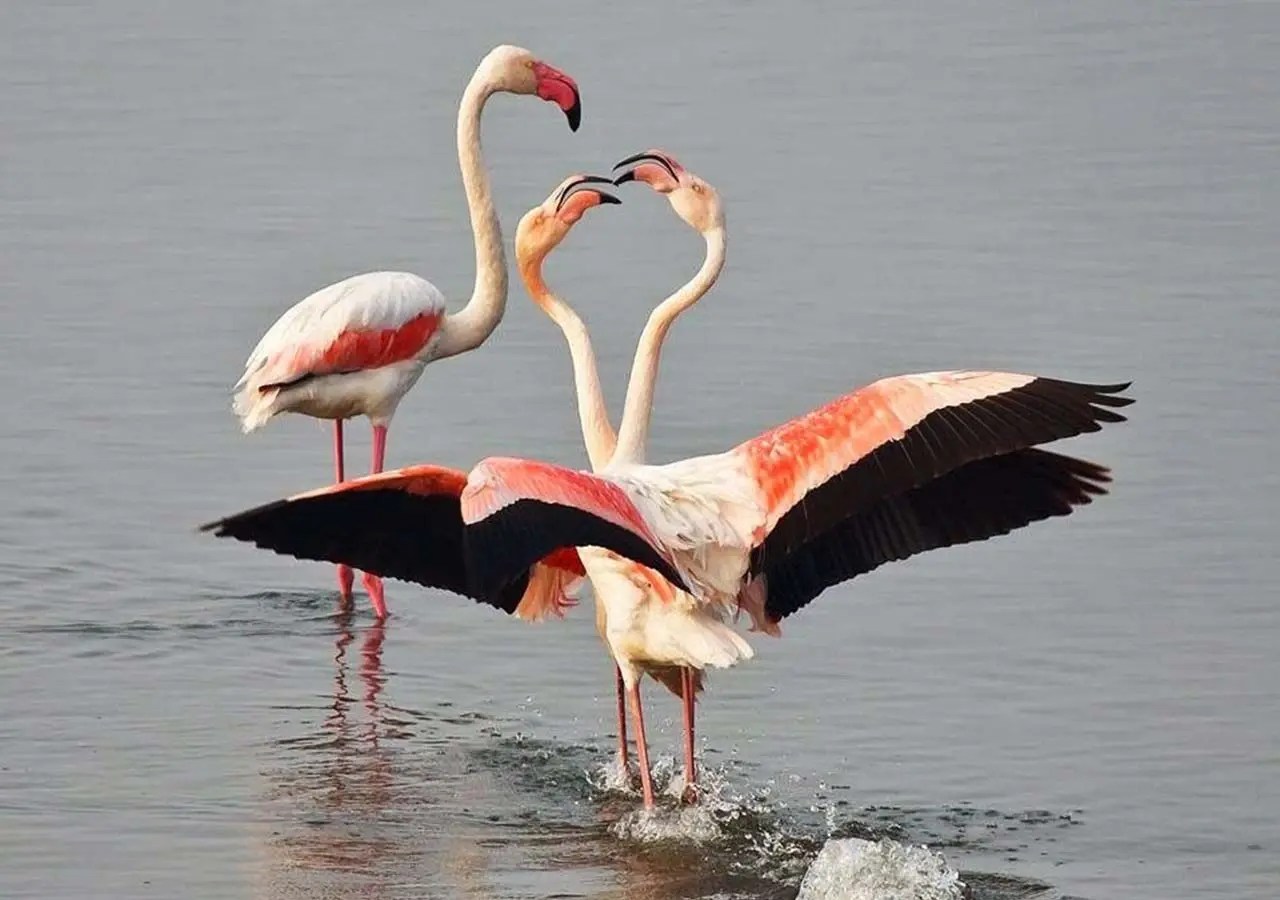
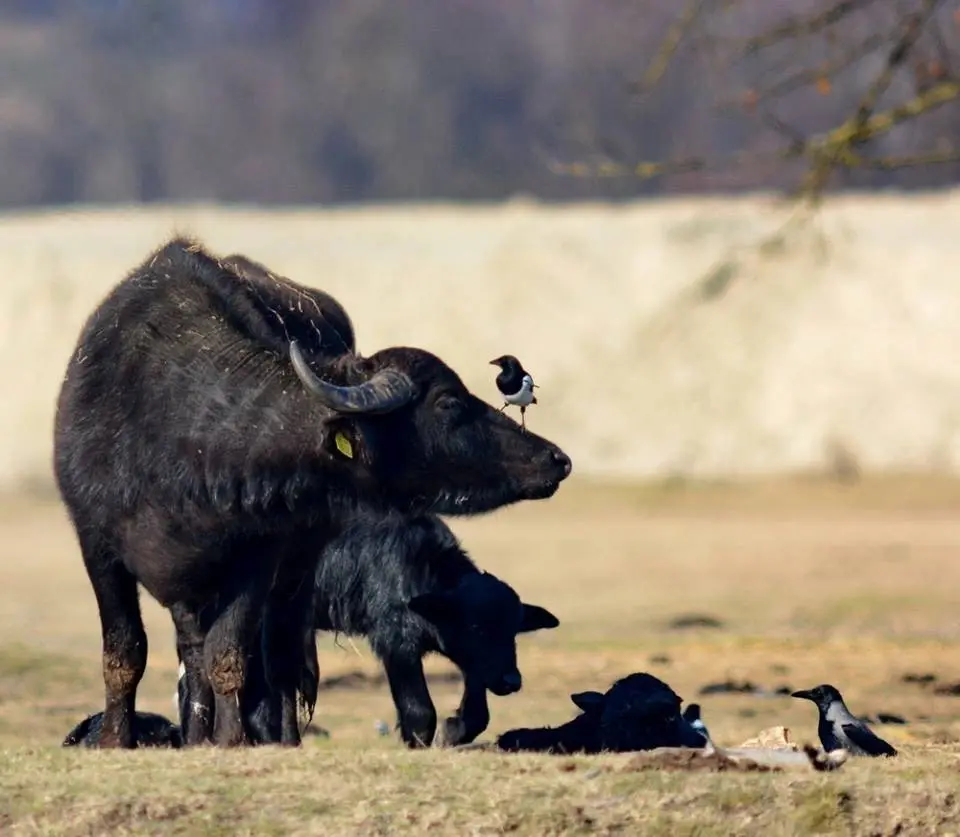
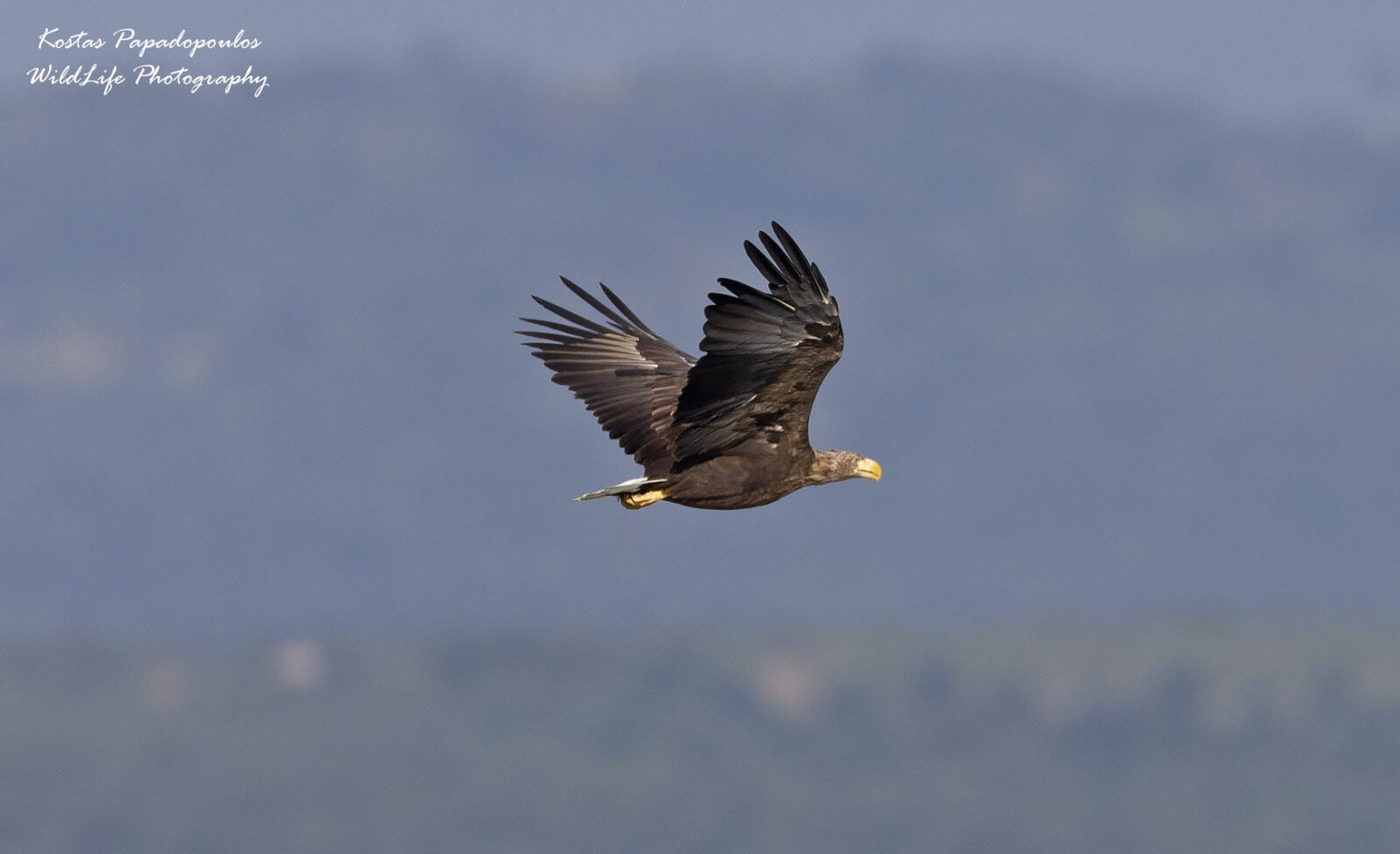
- Biodiversity: the lake with its wetland vegetation and the mountains that surround it, offers shelter and food to many species of wildlife.
- Scientific: it is an important field of scientific research on wetlands, their management and the anthropogenic effects on their functions, due to the diversity of its biological wealth and the activities that develop in the area.
- Educational – Educational: the wetland and the surrounding area are suitable for environmental education and training for students and adults.
- Recreational – Ecotourism: it can offer the visitor rest and tranquility and be a hub for the development of mild recreational activities.
- Economic: the wetland is a source of significant income for farmers, livestock breeders and fishermen, while with the continuous development of ecotourism, new professions are thriving in the wider area (information services, catering, hospitality, etc.).
The Kerkini Lake National Park was established in November 2006, with the aim of protecting the area as a national natural heritage, based on:
- The systematic monitoring and planning of management projects of the ecological parameters of the area.
- The continuous guarding and supervision of the protected area.
- Effective coordination of the competent services and bodies.
- The preparation of programs aimed at environmental education, information and awareness of the public and bodies.
- Ensuring social policy, consensus and participation, etc.
The total area of the protected area amounts to approximately 831,000 acres. The protected area includes the areas from Kastanoussa in the west to Charopos and Agistro in the east, Iraklia in the southeast and Lithotopos in the south. The mountainous areas of Kerkini (Beles) in the north and Mavrovouni and Dysoros (Krousia) in the southwest are included.
There are four protection zones, which are:
- Absolute Nature Protection Zone.
- Nature Protection Zone.
- Ecodevelopment Zone A.
- Ecodevelopment Zone B.
In each zone, specific regulations and/or prohibitions apply depending on the ecological importance and sensitivity of each zone.
International conventions applicable to the Kerkini Lake National Park.
For the National Park, the following international conventions and directives of the European Union apply:
- “Agreement on Wetlands of International Importance, especially Wetlands” known as the Ramsar Convention.
- Convention on the Conservation of Migratory Species of Wild Fauna (Bonn Convention).
- Convention on the Protection of European Wildlife and Natural Habitats (Bern Convention).
- Directive 79/409/EEC as codified by Directive 2009/147/EC of the European Parliament and of the Council of 30 November 2009, on the conservation of wild birds.
- Council Directive 92/43/EEC of 21 May 1992 on the conservation of natural habitats and of wild fauna and flora.
- Directive 2000/60/EC of the European Parliament of 23 October 2000 establishing a framework for Community action in the field of water policy.
Did you know that:
In spring, large areas in the northern
and northeastern part of the lake are covered
by aquatic plants such as the yellow water lily.