

Lake Kerkini National Park, History, last part.


BIRD WATCHING
The Kerkini Lake National Park is open for bird watching 365 days a year. Access to the area is easy in all seasons. The lake embankments are accessible to the east and west, while to the southwest the paved Lithotopou – Kerkini road, which follows the lake’s coastline for most of its length, offers unique bird watching opportunities. To the north, access is provided by the small port at Mandraki.
In addition to easy access to most of the lake’s coastline, a significant advantage is the fact that the observer is always higher than the lake level and has an unobstructed view from every point in every direction and the ability to observe large numbers of many and rare bird species without difficulty.
An additional advantage of the area that you will hardly find in any other region of Europe is that due to the operation of the lake with its different levels per season, it makes Kerkini a place for either wintering, breeding, or finally a resting and feeding station during the migratory periods.
BIRDS IN DIFFERENT SEASONS OF THE YEAR
In Spring, the water level of the lake increases and the landscape is different day by day. 130 different species of birds will be found in Kerkini during the breeding season. The last Flamingos leave the area in early March. The Spring migration has begun and many passerines are observed in the marshes and shrublands throughout the area. Large flocks of Rhododendron Pelicans pass through the wetland on their journey to their breeding areas. The bird colony in the riverside forest is bustling with life, cormorants, gannets, various species of herons, copperheads and grebes raise their chicks in the trees, while there are also many floating nests of great crested grebes, coots, moorhens and black grebes. In the mountains nest Black-bellied Seagulls, Serpent Eagles, Little Bitterns, Lesser Spotted Eagles, and other raptors, while almost all species of woodpeckers can be heard and seen searching for food. In several trees, mainly by the river, weaver birds build their nests on branches above the water. Finally, Nightingales, Common Cephalopods, Flycatchers, Viniculturists, Bee-eaters and Common Plovers become the most frequent figures in a daily wandering of a visitor to the Kerkini Lake National Park.
In the summer, the chicks of all species are already flying and are looking for their food almost alone. The water level gradually begins to decrease. Ideal period for observing huge flocks of Cormorants and Pelicans which fish in various areas of the lake and in endless rows move from the breeding sites to the feeding areas and vice versa. Herons feed in the shallow waters as well as along the shoreline of the lake. Many birds of prey visit the lakeshore areas as there is plenty of food everywhere and they can easily hunt in preparation for their migratory journey that begins at the end of Summer.
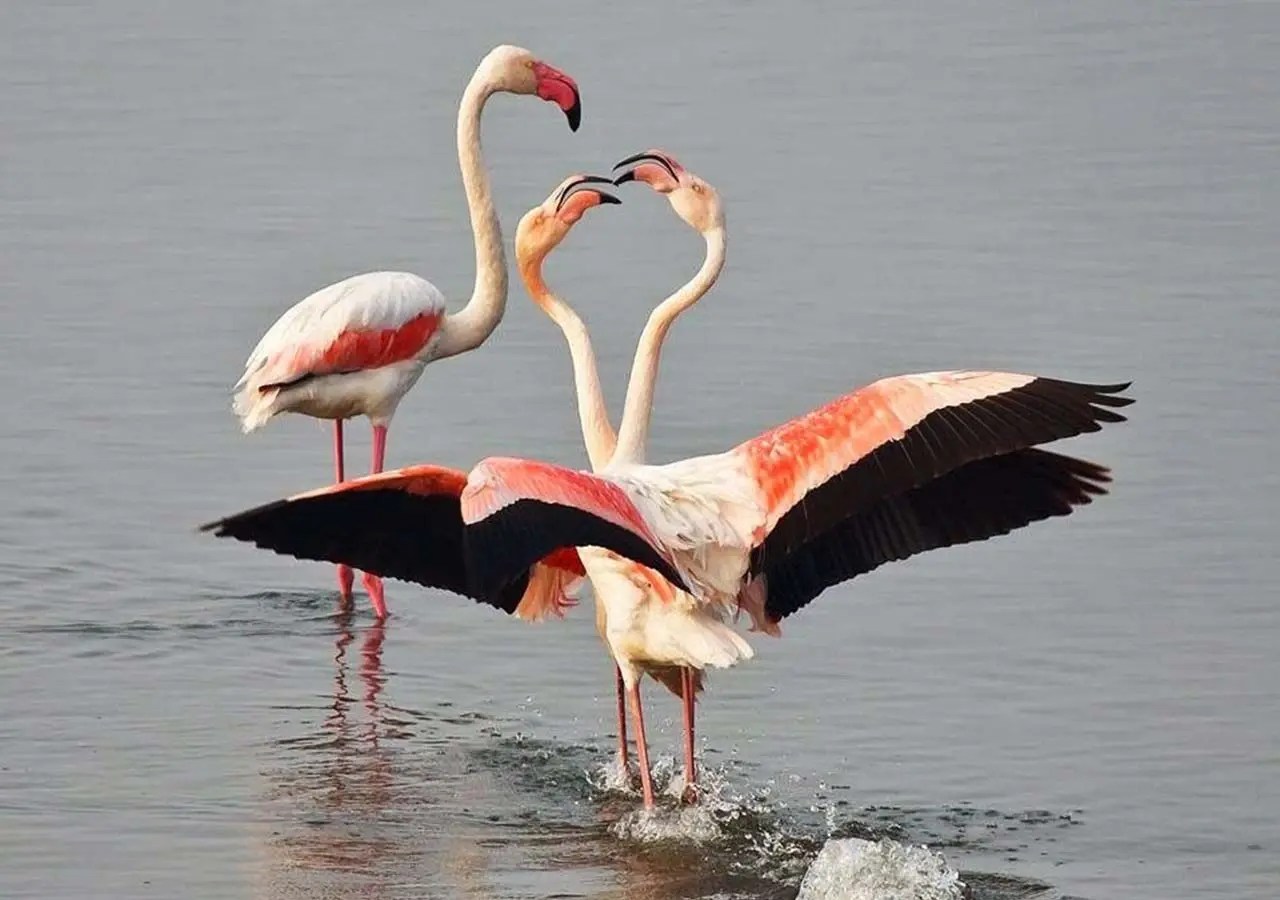
In Autumn, the lake water level is usually at its lowest levels. The Autumn migration is in progress. Large flocks of Rhododendron Pelicans use the area for a few days as a resting and feeding area during their movement to Africa. Little Geese will appear around the beginning of October and usually in the first days they can be more easily observed on the banks of the Eastern embankment. The number of Flamingos grows every day and will reach the maximum presence of birds at the end of November. In mid-October, the area also welcomes the first groups of Cranes. The raptors that will winter in the area make their first flights in early November. Finally, Waders and Ducks flock in their thousands and are observed in the mudflats of the area.
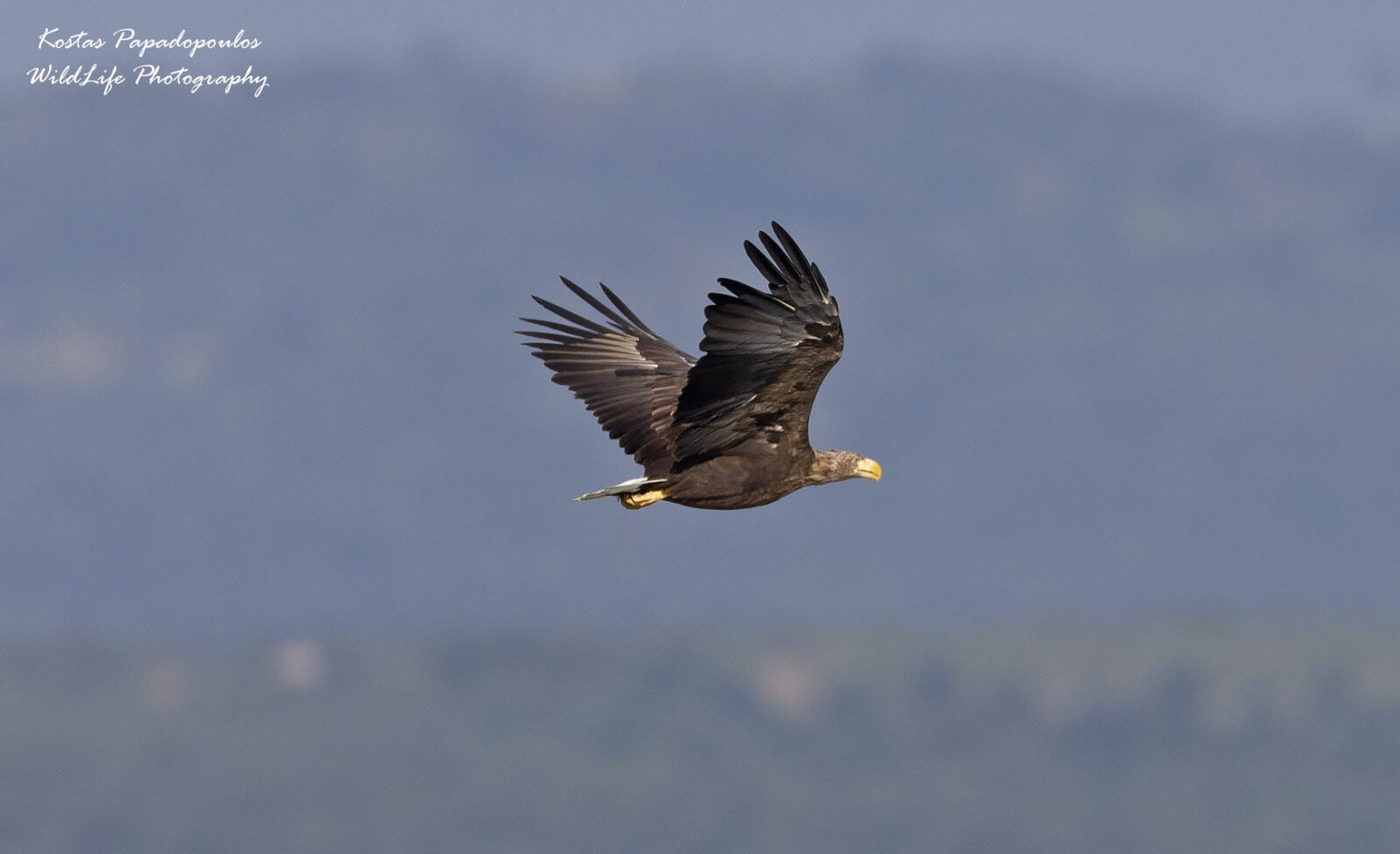
In winter, large flocks of Ducks and Geese arrive in the area to overwinter. A large number of Spotted Eagles are observed in the riverside forest and the surrounding area, while White-tailed Eagles, Golden Eagles and Imperial Eagles hunt in the wider area of the lake. Many rare species of ducks are observed in mixed groups, such as Ferentinia, Marlins, Black-headed Ducks, Wood Ducks, Dwarf Ducks and Common Ducks, while in some years the area hosts Marlins and Common Ducks. The Silver Pelicans begin their active presence next to the fishermen who feed them. If conditions become difficult, the Lesser White-fronted Geese may move as far as the Evros Delta, but in a short time they return to Kerkini to prepare for the long journey back to their breeding areas in Northern Norway. The life cycle of the National Park closes just before Spring, towards the last days of February when the Cormorants are already in the few trees left in the riverside forest repairing their nests for the upcoming breeding season.
The Kerkini Houses family is waiting for you to organize your stay here together, to search together which of our houses will become “your home, in our place”.
Source of information: OFYPEKA